
Why Am I Not Building Muscle? 7 Reasons You're Stuck (And How to Fix It)
You're training hard but the mirror says otherwise. Here are the 7 real reasons your muscle gains have stalled — and exactly how to fix each one.
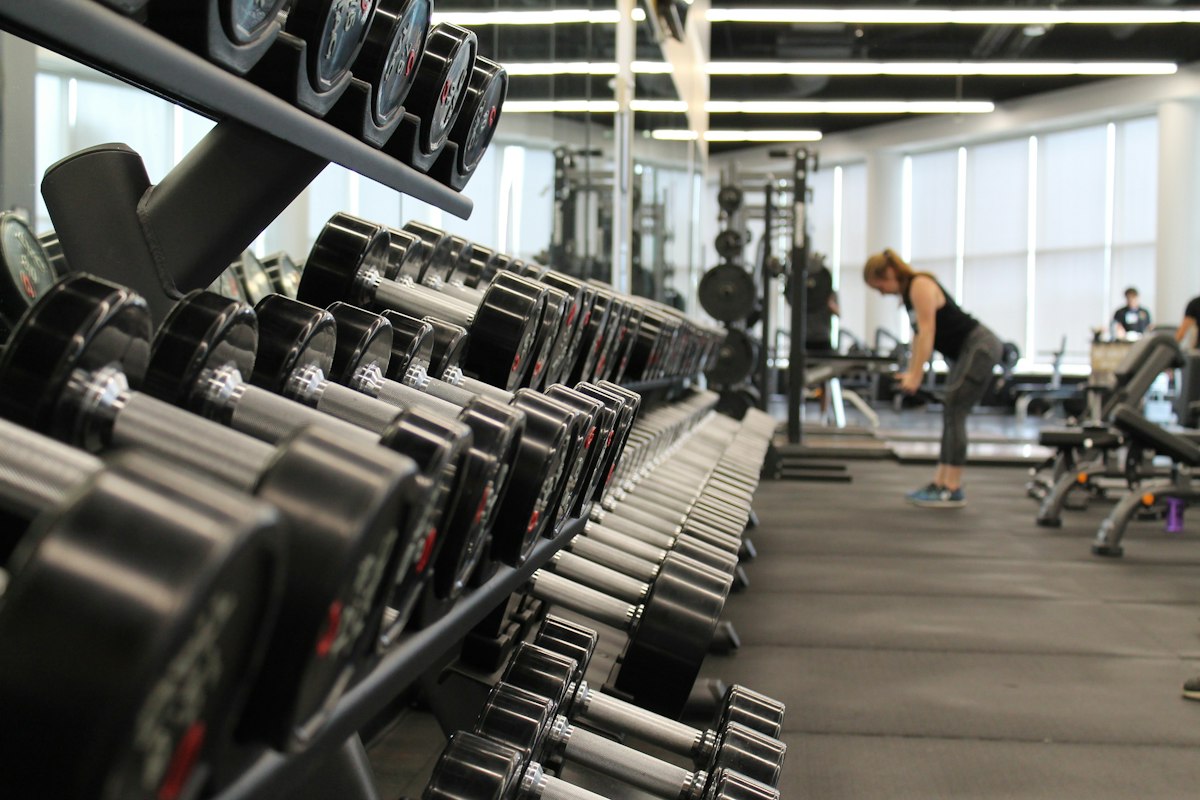
You're in the gym four days a week. You're sore after every session. You're eating more than you used to. But when you look in the mirror — nothing. The same body staring back at you that was there three months ago. If you've ever asked yourself "why am I not building muscle?", you're not alone — and you're not broken. You're just missing a few key pieces of the puzzle.
The truth is, muscle growth is not just about effort. Building muscle efficiently requires the right combination of training stimulus, nutrition, recovery, and consistency — and most people are unknowingly sabotaging at least one of them. Here are the 7 most common reasons your gains have stalled, backed by science, and exactly what you need to do to fix each one.
1. You're Not Eating Enough Calories
This is the number one silent killer of muscle progress. Most people who can't build muscle are simply not eating enough to support growth. Your body treats muscle building as a luxury — if it's running on a calorie deficit, it will prioritise keeping your heart beating and your brain functioning long before it allocates resources to growing new muscle tissue.
How Much Should You Eat?
To build muscle, you need to be in a caloric surplus. Use a TDEE (Total Daily Energy Expenditure) calculator to find your maintenance calories, then add 250–500 extra calories per day on top. This creates the energy surplus your body needs to actually synthesise new muscle tissue after training. Anything less and you're building on an empty construction site.

2. You're Not Getting Enough Protein
You've heard it before — protein is the building block of muscle. But hearing it and actually hitting your targets are two very different things. When you train, you create microscopic tears in your muscle fibres. Protein is the raw material your body uses to repair and rebuild those fibres — bigger and stronger than before. Without adequate protein, that repair process is severely limited.
The Right Protein Target
Current sports science recommends consuming 1.6–2.2g of protein per kilogram of bodyweight per day for muscle hypertrophy. For an 80kg person, that's 128–176g of protein daily. Spread this across 4–5 meals and aim to consume a protein-rich meal or shake within 30–60 minutes post-workout to maximise the anabolic window. Whole food sources — chicken, beef, eggs, fish, Greek yoghurt — should make up the bulk of your intake.
3. You're Not Applying Progressive Overload
Here's a hard truth: if you've been lifting the same weights for the same reps for the past two months, your muscles have absolutely zero reason to grow. The body only builds new muscle when it's forced to adapt to a stimulus it hasn't handled before. This principle is called progressive overload — and without it, you will plateau every single time.

How to Apply Progressive Overload
- Increase the weight lifted by the smallest increment available (usually 2.5kg) when you can complete all reps with good form
- Add one extra rep to your sets before increasing weight
- Add an additional working set to your programme
- Reduce rest periods to increase training density
- Keep a training log — if you're not tracking, you're guessing
Train each muscle group at least twice per week and prioritise compound movements — squats, deadlifts, bench press, rows, and overhead press. These recruit the most muscle mass and deliver the greatest growth stimulus per session.
4. You're Not Recovering Properly
Here's a concept that surprises most beginners: you don't build muscle in the gym. You break it down in the gym. You build it during recovery. When you sleep, your body releases growth hormone, repairs damaged muscle fibres, and rebuilds them thicker and stronger. Cut your recovery short and you're tearing down the building before the construction crew finishes their shift.

Optimise Your Recovery
Aim for 7–9 hours of quality sleep per night. Take at least 1–2 complete rest days per week. Don't train the same muscle group on consecutive days. Active recovery — light walking, stretching, or mobility work — can accelerate the process without adding training stress. If you're constantly sore, fatigued, or regressing in strength, you are overtrained and under-recovered.
5. Your Programme Has No Structure
Showing up to the gym and winging it might produce results for the first 4–6 weeks as a beginner. After that, random workouts without a structured programme will kill your progress. Without periodisation — planned variation in volume, intensity, and exercise selection — your muscles quickly adapt and stop growing. More is not always better. Smarter is better.
What a Good Programme Looks Like
A well-designed muscle building programme includes planned progression, balanced muscle group frequency, deload weeks every 8–12 weeks, and a mix of compound and isolation exercises. Every 8 weeks, change at least one variable — rep ranges, exercise order, or training split — to prevent adaptation. Your body is extremely good at becoming efficient. Your job is to stay one step ahead of it.
6. Stress and Cortisol Are Working Against You
This is the reason nobody talks about — but it might be the one holding you back most. Chronic stress floods your body with cortisol, a catabolic hormone that actively breaks down muscle tissue, impairs protein synthesis, disrupts sleep quality, and increases fat storage. You can train perfectly and eat perfectly — but if you're living in a constant state of stress, your hormonal environment will fight against every gain you try to make.
Managing Cortisol for Better Gains
- Prioritise sleep — it's the single most powerful cortisol regulator
- Limit training sessions to 45–75 minutes — longer sessions spike cortisol significantly
- Manage alcohol intake — it suppresses testosterone and disrupts sleep architecture
- Incorporate mindfulness, breathing work, or low-intensity activity on rest days
Research also shows that sub-optimal vitamin D and iron levels can significantly impair muscle development. If you're doing everything right and still not growing, a blood panel is worth considering to rule out micronutrient deficiencies or hormonal imbalances.
7. You're Not Being Consistent Enough
Two incredible weeks followed by ten days off is not a muscle-building strategy. Muscle growth is a slow, cumulative process that demands sustained effort over months — not weeks. Studies show that with consistent training and proper nutrition, you can achieve approximately a 12% increase in muscle cross-sectional area and a 20% strength increase in just 12 weeks (Journal of Applied Physiology). But those results require consistent sessions, not sporadic ones.
Building Sustainable Consistency
Three consistent training sessions per week will outperform six sessions for two weeks followed by burnout every single time. Find a schedule you can sustain for the next six months. Track every session. Stay in your programme for at least 12 weeks before judging results. Consistency, compounded over time, is the most powerful tool in your arsenal.
The Bottom Line: What's Actually Stopping Your Gains
If you're asking "why am I not building muscle?", the answer almost always lives in one or more of these seven areas. You don't need a magic supplement or a six-day-a-week programme. You need to audit your calories, hit your protein targets, follow a structured plan with progressive overload, protect your sleep and recovery, manage your stress, and stay relentlessly consistent.
Fix the fundamentals, and the results will follow. Every time.
Ready to Stop Guessing and Start Growing?
At Reborn Physiques, we build personalised training and nutrition plans designed around your body, your schedule, and your goals. No generic advice. No wasted effort. Just a clear, science-based system that works.
Get Your Custom Plan →Frequently Asked Questions
How long does it take to see muscle growth?
With consistent training, adequate protein, and a caloric surplus, most people begin to notice visible changes within 8–12 weeks. Measurable strength increases typically appear in as little as 3–4 weeks. Significant body composition changes are usually visible at the 12-week mark.
How much protein do I actually need to build muscle?
The current evidence-based recommendation is 1.6–2.2g of protein per kilogram of bodyweight per day. For most people, aiming for around 2g/kg is a practical and effective target. Spread your intake across multiple meals throughout the day rather than consuming it all at once.
Can I build muscle without going to a gym?
Yes — but you must still apply progressive overload. Bodyweight training, resistance bands, and home equipment can all stimulate muscle growth provided you're consistently increasing the difficulty over time. The principle matters more than the equipment.
Is soreness a sign of muscle growth?
Not necessarily. DOMS (Delayed Onset Muscle Soreness) indicates your muscles were challenged, but it is not a reliable indicator of hypertrophy. As you become more trained, soreness decreases even as muscle growth continues. Track strength and measurements — not soreness — to gauge real progress.
Should I do cardio while trying to build muscle?
Cardio can coexist with muscle building when programmed correctly. Keep high-intensity cardio sessions to 1–2 per week and ensure they don't impair your recovery for weight training. Low-intensity steady-state cardio (walking, cycling) is generally fine and can support cardiovascular health without interfering with muscle growth.
Frequently Asked Questions
How long does it take to see muscle growth?
With consistent training, adequate protein, and a caloric surplus, most people begin to notice visible changes within 8–12 weeks. Measurable strength increases typically appear in as little as 3–4 weeks.
How much protein do I actually need to build muscle?
The current evidence-based recommendation is 1.6–2.2g of protein per kilogram of bodyweight per day. For most people, aiming for around 2g/kg is a practical and effective target.
Can I build muscle without going to a gym?
Yes — but you must still apply progressive overload. Bodyweight training, resistance bands, and home equipment can all stimulate muscle growth provided you consistently increase the difficulty over time.
Is soreness a sign of muscle growth?
Not necessarily. DOMS indicates your muscles were challenged, but is not a reliable indicator of hypertrophy. Track strength and measurements — not soreness — to gauge real progress.
Should I do cardio while trying to build muscle?
Cardio can coexist with muscle building when programmed correctly. Keep high-intensity cardio to 1–2 sessions per week and ensure it does not impair recovery from weight training.